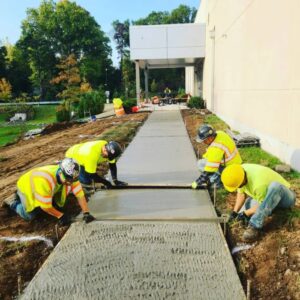
Concrete finishing isn’t just a method; it’s an art form, where each stroke of the trowel is like a painter’s brush dancing on a canvas! Imagine transforming a plain slab of concrete into a beautiful, textured masterpiece that neighbors will envy and your backyard will flaunt. With techniques ranging from troweling to stamping, the possibilities are as endless as your imagination (and your home improvement budget, fingers crossed!).
From enhancing outdoor aesthetics of patios and walkways to seamlessly blending concrete with wooden structures, this guide dives deep into the world of concrete finishing. We’ll cover not only the techniques and tools that make this transformation possible but also the essential steps for preparing surfaces and the critical importance of curing. Get ready to roll up your sleeves and make your concrete dreams come true!
Concrete Finishing Techniques
Concrete finishing is the art of transforming a raw, grey slab of concrete into a smooth, durable surface that can turn even the most mundane spaces into aesthetic masterpieces. It’s like giving your concrete a spa day – a little pampering goes a long way in ensuring it looks fabulous and stands the test of time. The methods employed in concrete finishing not only enhance the appearance but also serve practical purposes, making it a crucial step in any concrete project.Various methods are employed in concrete finishing, each with its own unique touch and toolset.
Understanding these techniques is as vital as knowing the difference between a trowel and a shovel. Here are some key finishing methods that will make your concrete look like a million bucks:
Troweling
Troweling is the technique of using a trowel to create a smooth, even surface on freshly poured concrete. This is typically done when the concrete is still wet enough to allow the tool to glide over the surface without leaving marks. The finesse of troweling determines the final finish, akin to a chef meticulously plating a gourmet dish.Essential tools for troweling include:
- Hand Trowel: Perfect for smaller areas, it’s the artist’s brush of concrete finishing.
- Power Trowel: For larger projects, this machine can cover more ground faster, akin to a race car in the world of concrete.
- Float: Used before troweling, it helps to level the surface and prepare it for the finer touches.
Brooming
Brooming adds texture to the surface of the concrete, creating a non-slip finish that’s as practical as it is stylish. This technique involves dragging a broom across the surface to create a pattern, perfect for outdoor areas like sidewalks or driveways where traction is essential.The tools required for brooming include:
- Push Broom: A heavy-duty broom that can withstand the rigors of concrete.
- Finishing Broom: Designed specifically for concrete surfaces, it helps achieve that perfect non-slip texture.
Stamping
Stamping is the method of embedding patterns into the concrete surface before it hardens, allowing you to mimic the look of brick, stone, or even wood. This technique can elevate the aesthetic appeal of your concrete installations, making them a standout feature in any landscape.For a successful stamping process, the following materials are essential:
- Stamp Mats: Flexible mats that imprint the desired pattern onto the concrete.
- Release Agent: Prevents the stamp mats from sticking to the concrete, ensuring a clean, crisp pattern.
- Concrete Color Hardener: Adds color to the concrete and enhances durability, giving it that extra “wow” factor.
The Importance of Curing
Curing is the unsung hero of concrete finishing, often overlooked but crucial in achieving a high-quality finish. Proper curing ensures that the concrete retains moisture while it hardens, which directly impacts its strength and durability. If neglected, your beautiful finish could turn into a disaster quicker than you can say “oops!”The benefits of curing include:
- Increased strength: Moisture retention allows for better hydration of the cement.
- Reduced cracking: A well-cured concrete surface is less prone to shrinkage and cracking.
- Enhanced durability: Proper curing extends the life of the concrete, ensuring it withstands the test of time.
In the world of concrete, curing is not just a step; it’s the difference between a lasting masterpiece and a fleeting failure.
With these techniques and tools at your disposal, mastering the art of concrete finishing is not just possible – it’s a delightful endeavor that transforms ordinary surfaces into extraordinary ones.
Home Improvement with Concrete Finishing
Concrete finishing isn’t just for the professionals wearing hard hats and wielding trowels like superheroes in the world of construction. It’s a secret weapon in the home improvement arsenal that can transform your outdoor spaces from blah to boujee. Think of it as the cherry on top of your home’s sundae—sweetening up patios, walkways, and driveways with a splash of style and an artistic touch.
Let’s dive into how this concrete magic can elevate your outdoor aesthetic and seamlessly blend with your landscape design.
Enhancing Outdoor Aesthetics with Concrete Finishing
Concrete finishing techniques can significantly upgrade the look of your outdoor areas. A plain old slab of concrete? Yawn! But with finishes like stamping, staining, and polishing, that slab can become a masterpiece rivaling a Picasso. Here are some delightful ways concrete finishing enhances outdoor spaces:
- Patio Perfection: Transform that dreary concrete patio into a vibrant gathering spot with colorful stains or an elegant stamped design that mimics natural stone. Imagine sipping lemonade surrounded by a gorgeous faux-stone finish—talk about a classy vibe!
- Walkway Wonders: Create inviting pathways that beckon guests with decorative concrete finishes that not only serve a purpose but add to the charm of your garden. Whether it’s a rustic cobblestone look or a sleek modern finish, the choice is yours.
- Driveway Dazzle: Who says driveways have to be bland? A decorative overlay can give your driveway a facelift that’ll make your neighbors green with envy. Imagine the look on their faces when they see your driveway adorned with intricate patterns or vibrant colors.
Embracing concrete finishing not only boosts the visual appeal but also increases the longevity of these outdoor structures. A little creativity can turn your outdoor areas into the neighborhood’s crown jewels.
Integrating Concrete Finishes with Home Landscaping
Bringing together concrete finishes and landscaping elements requires a sprinkle of creativity and a dash of planning. Concrete can complement various landscaping designs, enhancing the overall aesthetic and functionality. Here’s how to achieve that harmonious integration:
To ensure your concrete finishes and landscaping elements play nice, consider the following points:
- Color Coordination: Match concrete finishes with existing landscaping elements. If you have earthy tones in your garden, opt for warm-colored stains to create a cohesive look.
- Texture Harmony: Balance smooth concrete with rougher natural elements like stone or wood. This creates visual interest without clashing.
- Functional Flow: Ensure that your concrete paths lead to key landscape features, such as flower beds or seating areas, making sure everything flows together seamlessly.
By considering these aspects, you’ll create an outdoor space that feels like an extension of your home, where every element sings in harmony—like a well-rehearsed choir, but with fewer high notes!
Preparing Surfaces for Concrete Finishing
The secret to a flawless concrete finish lies in the preparation. Just like a good cake needs a sturdy foundation, so does your concrete project. Here’s a step-by-step guide to get that surface spick and span for finishing:
Before jumping into the finishing, here’s what you need to make your surface as smooth as a jazz saxophonist:
- Clean the Surface: Remove dirt, debris, and any existing coatings that may hinder adhesion. A high-pressure washer can be your best friend here, blasting away the grime like a superhero washing away the day’s troubles.
- Repair Cracks: Inspect for any cracks or damage. Fill them with a concrete repair compound to ensure a smooth finish. Nobody wants to see those cracks peeking through like a nosy neighbor!
- Level the Surface: Make sure the area is level and even. Use a leveling compound if necessary, because nobody wants a bumpy ride in their new aesthetic paradise.
- Apply a Primer: If you’re using a decorative overlay, applying a primer can enhance adhesion. Think of it as the icing on the cake—necessary for the perfect finish.
Once you’ve followed these steps, your concrete surface will be primed and ready to transform into a visual delight that’ll impress even the most discerning guests!
Related Home and Woodworking Concepts
In the world of home improvement, concrete isn’t just a tough cookie; it’s a versatile ingredient that pairs surprisingly well with wood. Think of them as the dynamic duo of the construction realm, much like peanut butter and jelly — if jelly could withstand a hurricane and peanut butter could hold its own in an earthquake. By delving into various techniques for fusing these materials, one can elevate their home design while also embracing energy efficiency and flooring options that make your neighbors green with envy!
Combining Concrete Finishes with Wooden Structures
The marriage of concrete finishes and wooden structures is akin to a stylish crossover episode where two different worlds collide for a spectacular result. Here are some techniques to seamlessly blend these materials in your home designs:
1. Complementary Textures
Use polished concrete as a sleek floor contrasting with rough-hewn wooden beams. This juxtaposition enhances both materials, creating depth and visual interest throughout your space.
2. Integrated Features
Incorporate wooden mantels or shelving into concrete walls. This creates a balanced aesthetic where the warmth of wood softens the coolness of concrete, making your space feel inviting yet modern.
3. Color Coordination
Use stains or paints on wood that mirror the tones in your concrete finishes. This color harmony ties the design together beautifully, appealing to the eyes and ensuring a cohesive look.
4. Outdoor Spaces
Combine concrete patios with wooden decking. This not only enhances functionality but also adds layers of style to your exterior, making it the perfect spot for summer barbecues or cozy evenings.
Energy Efficiency Practices in Concrete Work
Incorporating energy-efficient practices in concrete work is like putting on a superhero cape for your home. Here are some practices that can save energy while improving the overall efficiency of residential settings:
Insulated Concrete Forms (ICFs)
These are like cozy blankets for your walls, providing insulation that keeps the heat in and the cold out, drastically reducing energy consumption.
Thermal Mass
Concrete has an innate ability to absorb and retain heat. Utilizing this feature can help regulate indoor temperatures, reducing the need for heating and cooling systems and ultimately lowering energy bills.
Reflective Finishes
Using reflective concrete finishes can help deflect heat, reducing the overall heat absorbed by your home and keeping your interiors cool.
Solar Integration
Consider designing your concrete structures to accommodate solar panels. This not only enhances energy efficiency but can also make your home a renewable energy powerhouse.
Comparison of Flooring Options: Concrete vs. Traditional Materials
When it comes to flooring, the choice between concrete and traditional materials can be as tricky as choosing between cake and pie—both delicious, but suited for different palates. Here’s a breakdown of the two contenders’ merits:| Feature | Concrete Flooring | Traditional Flooring (e.g., wood, carpet) ||———————–|————————————————–|—————————————————–|| Durability | Extremely durable and can withstand heavy traffic | Prone to scratches and wear over time || Maintenance | Low maintenance; easy to clean | Requires regular sealing/cleaning || Cost | Generally more affordable in the long run | Initial installation can be more expensive || Aesthetic Variety | Available in various finishes and designs | Offers warmth and classic aesthetics || Energy Efficiency | Can be designed for thermal mass | Less energy-efficient without proper insulation |Concrete flooring is not just a tough contender; it’s a long-term investment that can save you money while providing an array of aesthetic choices.
Meanwhile, traditional options like wood and carpet bring charm but often come with a price tag that can add up in maintenance and replacement costs.
Outcome Summary

In conclusion, concrete finishing is more than just a final touch; it’s the icing on the cake of your home improvement endeavors. Whether you’re sprucing up your outdoor spaces or blending materials for a unique look, mastering these techniques will surely leave your concrete surfaces looking fabulous. So grab your tools, let your creativity flow, and remember: a little finish goes a long way in making your concrete sing (well, maybe not literally, but you get the idea)!
Top FAQs
What is concrete finishing?
Concrete finishing is the process of smoothing, texturing, or altering the surface of concrete to achieve a desired aesthetic or functional effect.
Why is curing important in concrete finishing?
Curing helps to retain moisture in the concrete, allowing it to gain strength and durability, which ultimately affects the finish quality.
Can I add color to my concrete finish?
Absolutely! You can use color additives or stains to give your concrete a personalized touch and enhance its appearance.
How long does concrete finishing take?
The time varies based on the method and conditions, but you can typically expect a few hours to a day for the finishing process, plus curing time.
Is concrete finishing a DIY project?
Yes, with the right tools and a bit of practice, many concrete finishing tasks can be tackled by DIY enthusiasts!