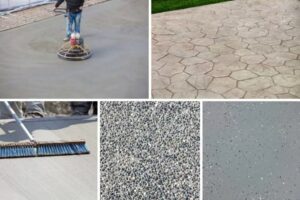
Welcome to the world of Concrete Repair, where we transform your cracked and crumbling surfaces into smooth, sturdy masterpieces! Picture this: your driveway looking as fresh as a daisy after a spring rain, while you sip on lemonade and bask in the glory of your newfound concrete prowess. Yes, with the right techniques, tools, and a sprinkle of dedication, you can wave goodbye to unsightly patches and hello to a durable, long-lasting surface!
From patching those pesky pits to applying sealers that make your concrete gleam like a star in a Hollywood movie, we’ve got the lowdown on everything you need. We’ll delve into maintenance tips that’ll have your concrete surfaces strutting their stuff for years to come, while also dishing out prevention strategies that’ll keep those cracks at bay. Ready to dive into this concrete conundrum?
Let’s get started!
Concrete Repair Techniques
When it comes to concrete repair, think of it as giving your pavement an extreme makeover—without the cameras and commercial breaks. Whether it’s a pesky crack or a large pit, there are an array of techniques at your disposal to restore your concrete surfaces to their former glory. Embrace the adventure of repairing concrete with these methods that are as effective as they are entertaining.
Patching
Patching is akin to putting a Band-Aid on a scraped knee, but with concrete, the stakes are a bit higher. This technique involves filling in cracks and voids with a concrete mix, and it’s perfect for minor to moderate damages. A proper patch will not just hide the flaw; it will ensure that water doesn’t play hide-and-seek with your foundation.
Here’s how it’s done:
1. Clean the Area
Remove any debris, dust, or loose concrete from the crack. This step is crucial; think of it as exfoliating your concrete.
2. Prepare the Patch Material
Mix your patching compound according to the manufacturer’s instructions. It should have a consistency similar to creamy peanut butter—smooth, but not runny!
3. Apply the Patch
Use a trowel to press the mix firmly into the crack. Make sure to feather the edges to blend it with the surrounding area.
4. Finish and Cure
Smooth the surface with a float and allow it to cure properly, keeping it damp if necessary.
Resurfacing
Resurfacing is the concrete repair equivalent of a fresh coat of paint, but with a lot more grit. This technique is ideal for surfaces that are worn down or have minor surface defects, giving your concrete a brand-new appearance without the hefty price tag of complete replacement. Here’s a step-by-step guide:
1. Surface Preparation
This is the key to success. Power wash the surface to remove all contaminants—dirt, oils, and residues.
2. Mix the Resurfacer
Prepare the resurfacing compound as per the instructions. Aim for a smooth, pourable texture.
3. Pour and Spread
Start from one corner and pour the mixture, using a squeegee or trowel to spread it evenly across the area. Think of it as icing a cake, but with a more rugged finish!
4. Texturing and Finishing
Create any desired texture before it dries, and avoid walking on it until fully cured.
Injection
Concrete injection is like giving your concrete a shot of espresso—it revitalizes those tired cracks! This method is particularly useful for repairing cracks that have widened or for injecting epoxy into structural elements. The steps are straightforward:
1. Identify the Cracks
Locate and clean out the cracks thoroughly. A wire brush and vacuum are your best friends here!
2. Drill Injection Holes
Create small holes along the crack at intervals of about six inches. This allows for better penetration of the epoxy or polyurethane resin.
3. Inject the Material
Using an injection gun, fill the holes with the chosen material, ensuring it flows through the crack completely.
4. Seal the Surface
Once cured, seal the surface to protect it from moisture and enhance durability.
Applying Concrete Sealers
Applying a concrete sealer is like applying sunscreen before a beach day—it prevents damage from UV rays, moisture, and stains. Sealers not only enhance the appearance of your concrete, giving it a sleek finish, but they also prolong its lifespan. Here’s how to do it:
1. Clean the Surface
Ensure that the concrete is clean, dry, and free of any previous sealers. This step is crucial for proper adhesion.
2. Choose the Right Sealer
Select from penetrating sealers, film-forming sealers, or decorative sealers based on your needs. Each has its own benefits, like being water-repellent or enhancing color.
3. Apply the Sealer
Using a roller or sprayer, apply the sealer evenly across the surface. You may need multiple coats for optimal protection—just like you would with sunscreen!
4. Let it Cure
Allow the sealer to dry according to the manufacturer’s instructions before exposing it to foot traffic or moisture.
Importance of Surface Preparation
Proper surface preparation is the unsung hero of concrete repair, often overlooked but crucial for success. Think of it as the foundation of a building—without a strong base, the rest crumbles! Here are critical points to consider:
Ensures Adhesion
Clean surfaces allow for better bonding of repair materials, reducing the risk of future failures.
Reduces Moisture Issues
Moisture trapped under repairs can lead to peeling and damage over time. Proper preparation minimizes this risk.
Enhances Longevity
Well-prepared surfaces lead to longer-lasting repairs, saving you time and money in the long run.
“A stitch in time saves nine,” and in concrete repair, a little preparation can save you a lot of headaches!”
Tools and Materials for Concrete Repair
When it comes to concrete repair, having the right tools and materials is as vital as wearing a hard hat in a construction zone. The right gear can make or break your repair job, transforming a potential disaster into a work of art—just like a sculptor chiseling a masterpiece from a block of marble. So, let’s dive into the toolbox and the materials that will help you tackle those cracks and crumbles with confidence and perhaps a chuckle or two.The world of concrete repair is varied and colorful, filled with tools that have specific purposes and materials that can mend your concrete woes.
Knowing which tools to wield and materials to choose can often feel like trying to decipher a cryptic crossword puzzle, but don’t worry—I’ve got the answers right here, and they’re easier to read than your last set of IKEA instructions.
Essential Tools for Concrete Repair
Equipping yourself with the right tools is like gearing up for a superhero mission—each item has a special power to help you conquer your concrete challenges. Here’s a list of essential tools that should be in your repair arsenal:
- Concrete Mixer: Perfect for mixing your repair materials so they turn out as smooth as your favorite peanut butter. A must-have unless you enjoy playing the role of the human mixer.
- Chisel and Hammer: For those stubborn cracks that refuse to budge, this dynamic duo is your best friend. Channel your inner demolition expert!
- Float: A concrete float is essential for smoothing freshly poured surfaces. Think of it as your concrete’s spa day tool.
- Trowel: This handy tool helps you spread and shape your repair materials with precision. It’s like the icing spatula for your concrete cake.
- Wire Brush: When it comes to removing loose debris and prepping surfaces, the wire brush is the tough love your concrete needs.
- Safety Gear: Don’t forget your goggles and gloves! Safety first means looking like a superhero and working like one too.
Types of Concrete Repair Materials
Diving into the world of concrete repair materials is like exploring a candy store—so many options, and each with its unique flavor for your project. Here are some of the most popular materials you’ll encounter:
- Epoxy: This strong adhesive is great for bonding cracked concrete back together. It’s like super glue but for your driveway! Ideal for low to moderate movement, epoxy cures to a tough finish that’s resistant to chemicals.
- Polyurethane: This flexible repair material is perfect for areas that experience movement. If your concrete cracks are doing the cha-cha, polyurethane will keep up with the dance!
- Cement-Based Repair Compounds: These are the bread-and-butter repair materials, excellent for filling larger holes and cracks. They’re the dependable workhorse of the concrete repair world.
- Polymer-Modified Mortar: The fancy cousin of traditional mortar, this material provides extra adhesion and flexibility, making it suitable for outdoor repairs.
Comparison of Concrete Repair Products
Choosing the right repair product can feel overwhelming, but fear not! I’ve compiled a table that compares various concrete repair products based on durability and cost. This way, you can make an informed decision without relying on fortune cookies for guidance.
| Product Type | Durability | Cost (per unit) |
|---|---|---|
| Epoxy | High | $$$ |
| Polyurethane | Moderate | $$ |
| Cement-Based Compounds | Moderate | $ |
| Polymer-Modified Mortar | High | $$$ |
“The right tools and materials can make concrete repair less of a chore and more of a successful art form!”
With this information in hand, you are now well-prepared to tackle any concrete repair job that comes your way, armed with the right tools and knowledge about materials that work as hard as you do! So get out there and show those cracks who’s boss!
Maintenance and Prevention Strategies
Maintaining concrete surfaces is like nurturing a pet rock; it requires care and a sprinkle of humor to keep it looking its best. In this segment, we will explore the art of concrete maintenance and prevention strategies that will help you dodge the dreaded cracks and spalling like a pro. To ensure your concrete surfaces remain as durable as your grandma’s meatloaf, implementing best practices and preventive measures is essential.
With a little effort, you can extend the life of your concrete and keep it looking fabulous for years. Here’s how to strut your concrete’s stuff while avoiding those pesky pitfalls.
Best Practices for Maintaining Concrete Surfaces
Regular maintenance is your concrete’s best friend. To keep it in tip-top shape, consider the following maintenance tips that will leave you and your concrete smiling:
- Regular Cleaning: Sweep and wash your concrete surfaces regularly to remove dirt, grime, and debris. A clean surface is a happy surface!
- Sealing: Apply a high-quality concrete sealer every few years to protect against moisture and stains. Think of it as sunscreen for your concrete—better safe than sorry!
- Repairing Cracks: Address any cracks promptly with a concrete patch; ignoring them is like ignoring a small leak in a boat—you’ll sink faster than you can say “oops!”
Methods of Preventing Common Concrete Issues
Prevention is better than cure, especially when it comes to concrete. Here are strategies to thwart common concrete issues like cracking and spalling before they rear their ugly heads:
- Proper Drainage: Ensure water drains away from concrete surfaces to prevent pooling, which can lead to cracks. It’s like keeping your lawn well-irrigated without turning it into a swamp.
- Temperature Control: Avoid pouring concrete during extreme temperatures. Hot days can cause it to dry too quickly, while cold might lead to freezing, both of which can spell disaster.
- Reinforcement: Use steel reinforcement bars or fibers during the pouring process to add strength and flexibility. Think of it as the concrete’s personal trainer, making it stronger and more resilient.
Seasonal Maintenance Tasks for Concrete Surfaces
Concrete maintenance isn’t a one-and-done deal; it’s an ongoing commitment. Here’s a handy checklist of seasonal tasks to keep your concrete looking sharp no matter the season:
- Spring: Inspect for winter damage, clean surfaces, and apply a fresh coat of sealer.
- Summer: Look for signs of ultraviolet damage and keep surfaces clean of debris. Consider a watering schedule if it gets too hot!
- Fall: Clear leaves and debris from concrete surfaces, and prepare for winter by sealing any cracks.
- Winter: Avoid using de-icing salts that can cause spalling. Instead, use sand for traction and keep an eye on any ice formation.
“An ounce of prevention is worth a pound of cure, especially when it comes to concrete!”
Final Summary

In conclusion, mastering Concrete Repair isn’t just about the ‘oops’ moments; it’s an art form! With the right knowledge, tools, and a bit of elbow grease, you can become the Michelangelo of your driveway—chipping away at imperfections and unveiling a flawless finish. So, roll up those sleeves and get to work, because every crack tells a story, and it’s time to rewrite yours into a tale of triumph!
Question Bank
What are the most common concrete repair methods?
The most common methods include patching, resurfacing, and injection techniques, each tailored for specific concrete issues.
How do I prepare the surface before concrete repair?
Proper surface preparation involves cleaning, removing loose debris, and ensuring the area is dry to promote better adhesion for repairs.
What tools do I need for a concrete repair project?
Essential tools include a trowel, concrete mixer, chisel, and a pressure washer for cleaning the surface beforehand.
What materials are best for repairing concrete?
Popular materials include epoxy for strong bonding and polyurethane for flexibility and water resistance.
How can I prevent future concrete issues?
Regular maintenance, timely sealing, and avoiding excessive weight on your concrete surfaces can significantly reduce future problems.