
Ah, dusting tools—the unsung heroes of household cleaning! These nifty gadgets might not have the spotlight, but they sure know how to sweep away the competition (and dust, too)! From feather dusters that make you feel like a wizard casting a spell to microfiber cloths that practically have a Ph.D. in grime-fighting, there’s a plethora of tools designed to tackle dust bunnies and dirt demons lurking in every corner.
In this delightful dive into the world of dusting tools, we’ll uncover the diverse range available, the materials that make them shine (or at least, help you shine), and why selecting the right one is crucial for your cleaning escapades. Whether you’re an avid woodworker aiming for that flawless finish or a homeowner on a cleanliness crusade, there’s a dusting tool just waiting to become your trusty sidekick!
Dusting Tools Overview
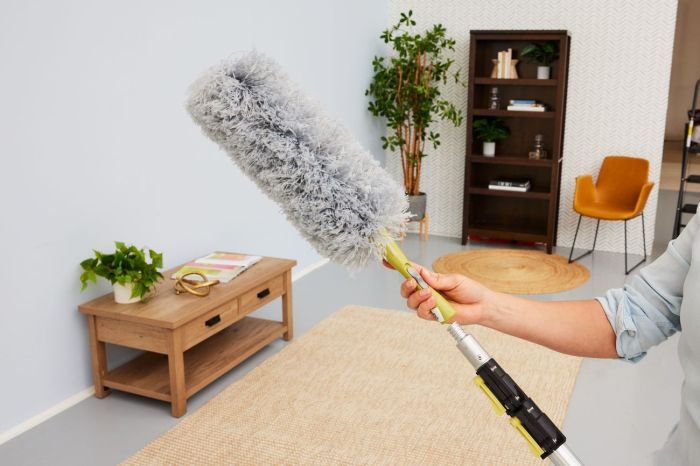
Dusting tools are the unsung heroes of the cleaning world, often overshadowed by their more glamorous counterparts like vacuum cleaners and mops. However, without these trusty companions, dust bunnies would run amok, staging a coup on our shelves and mantels. From feather dusters to microfiber cloths, a diverse arsenal of dusting tools exists, each crafted for specific tasks and surfaces.
Let’s dive into the wonderful world of dusting tools and uncover their materials and importance in effective cleaning.
Types of Dusting Tools
Understanding the various dusting tools available can significantly enhance your cleaning routine. Each tool serves a unique purpose, catering to different surfaces and levels of dustiness. Here are some popular types of dusting tools:
- Feather Dusters: Traditionally made from real feathers, these duster’s natural structure captures dust effectively. They are lightweight and great for delicate surfaces but can disperse dust if not used correctly.
- Microfiber Cloths: Known for their superior dust-trapping abilities, these cloths are made from synthetic fibers that create static electricity, effectively attracting dust. They are washable and reusable, making them eco-friendly.
- Electrostatic Dusting Cloths: These disposable cloths are designed to attract and hold onto dust particles. Their electrostatic charge makes them ideal for cleaning electronic devices without leaving scratches.
- Extendable Dusting Poles: Perfect for reaching high corners and ceilings, these poles come with various attachments such as microfiber heads or brushes, allowing for versatile cleaning.
- Cleaning Brushes: With bristles designed for specific surfaces, these brushes help dislodge dust from more textured areas, such as blinds and vents, ensuring thorough cleaning.
Materials Used in Dusting Tools
The materials used to manufacture dusting tools play a crucial role in their effectiveness and durability. Here’s a closer look at common materials and their benefits:
- Natural Feathers: Lightweight and flexible, feathers are excellent for delicate items; however, they may not be as effective on hard surfaces.
- Microfiber: This material is renowned for its ability to trap dust and dirt without the need for chemicals. It’s also machine washable and can last for years with proper care.
- Polyester and Nylon: These synthetic materials are often used in disposable dust cloths, providing strong dust-attracting properties while being cost-effective.
- Wood or Metal Handles: Sturdy handles made from wood or metal provide durability and support, especially in extendable dusting tools.
Importance of Appropriate Dusting Tools
Using the right dusting tool is essential for effectively combating dust accumulation in various settings. The choice of tool not only affects cleaning efficiency but also helps protect surfaces from damage. Here are some key reasons why selecting the appropriate dusting tools matters:
- Efficiency: The right tool can significantly reduce cleaning time by effectively capturing dust in one sweep rather than scattering it around.
- Surface Protection: Using a feather duster on delicate items can prevent scratches, while a microfiber cloth avoids leaving lint on surfaces.
- Health Benefits: Proper dusting tools can reduce allergens and improve indoor air quality, making your home healthier.
- Cost-Effectiveness: Investing in reusable, high-quality dusting tools can save money over time compared to frequent purchases of disposable options.
Home and Woodworking Applications
In the world of woodworking, dust is the uninvited guest that just won’t leave. But fear not! With the right dusting tools, you can make sure your projects shine like a new penny while keeping that pesky dust at bay. Whether you’re crafting a dazzling dining table or just trying to fix that wobbly chair, a good selection of dusting tools is essential for achieving a pristine finish and maintaining a clean workspace.To tackle the dust that loves to settle on your beloved wood surfaces, there’s an array of specialized dusting tools ready to assist.
These tools not only help you remove dust effectively but also protect the integrity of your wood. Here’s a look at some must-have dusting tools for your woodworking projects:
Ideal Dusting Tools for Woodworking Projects
When it comes to keeping dust at bay during woodworking, having the right tools is crucial. Here are some of the most effective dusting tools that can elevate your woodworking experience:
- Soft Bristle Brush: A must-have for gently dusting off delicate surfaces without scratching them. Perfect for intricate carvings and detailed work!
- Microfiber Cloths: These little wonders trap dust like a sponge traps water. They are perfect for polishing and cleaning surfaces without leaving behind lint or scratches.
- Vacuum with a Brush Attachment: The superhero of dust removal! A vacuum equipped with a brush attachment can effectively remove dust from both flat surfaces and hard-to-reach corners.
- Compressed Air Blower: Ideal for getting into those nooks and crannies. Just a quick blast can send dust flying away, but be sure to use it with caution to avoid damaging your work!
- Dusting Mitts: Slip these on like a superhero cape, and you’re ready to wipe away dust without the need for sprays or chemicals. They’re great for quick clean-ups!
Keeping your wooden surfaces dust-free is not just a matter of aesthetics; it also plays a vital role in the longevity of your projects. Dust can scratch or dull finishes, so employing the right techniques for dusting is essential. Consider these tips to ensure your wood surfaces maintain their luster:
Techniques for Dusting Wood Surfaces
Using appropriate techniques will ensure that your wood surfaces remain pristine while avoiding damage. Here are some techniques to keep in mind:
- Always Dust from Top to Bottom: Start from the highest point and work your way down. This prevents dust from settling on already cleaned areas.
- Use Gentle, Circular Motions: When using cloths or brushes, employ gentle, circular motions to lift dust rather than pushing it around.
- Avoid Harsh Chemicals: Stick to gentle cleaners like water or specialized wood cleaners. Harsh chemicals can strip finishes and harm the wood.
- Keep Tools Clean: Regularly clean your dusting tools. A dirty cloth or brush can inadvertently spread dust rather than remove it.
- Don’t Forget the Corners: Dust loves to hide in corners and crevices. Use a small brush or vacuum attachment to ensure no dust escapes your cleaning spree!
Maintaining a clean workspace is as important as the work itself. Dust can be a major nuisance during home improvement projects, potentially leading to health issues or a messier environment. Here’s how dusting tools can help you maintain a spotless area:
Role of Dusting Tools in Maintaining a Clean Workspace
An organized workspace leads to better focus and improved results during your home improvement projects. Dusting tools play a critical role in achieving that cleanliness. Consider these points for their importance:
- Improved Air Quality: Regular dusting helps reduce airborne particles, leading to better air quality and safer working conditions.
- Enhanced Visibility: Keeping your workspace dust-free ensures that you can see your projects clearly, reducing the risk of accidents or mistakes.
- Increased Efficiency: A clean workspace allows for smoother workflows, making it easier to find tools and materials as needed.
- Longer Tool Life: Dust can cause wear and tear on equipment. Dusting tools regularly can prolong the life of your tools and machinery.
- Professional Finish: A clean workspace reflects professionalism. Whether you’re building for yourself or a client, a tidy area showcases your commitment to quality.
Cleaning Tips and Tools
When it comes to home cleaning, dusting tools are the unsung heroes of our sanitizing saga. Armed with a feather duster or a microfiber cloth, you can wage war against the dust bunnies that threaten your domain. However, wielding these tools effectively is key to transforming your home from a dust disaster zone into a pristine paradise. Here’s a guide to help you dust like a pro, maintain your trusty cleaning companions, and even breathe easier—because who doesn’t want fresh air to go with their spotless surfaces?
Effective Use of Dusting Tools
Using the right dusting tools in your cleaning routine can make all the difference between a half-hearted attempt and a sparkling success. Here’s how to maximize their effectiveness:
1. Microfiber Cloths
These miraculous pieces of fabric are like tiny magnets for dust. To use them effectively, lightly dampen the cloth and wipe surfaces in a circular motion. This traps dust rather than just moving it around.
2. Feather Dusters
Perfect for delicate items and hard-to-reach spots, feather dusters are best used with a gentle touch. They work best when you’re not in a rush—slowly gliding over surfaces lets them trap dust efficiently.
3. Electrostatic Dusters
These are like the superheroes of dusting! They attract dust particles with static electricity. Ideal for electronics and other sensitive surfaces, just glide and watch the dust disappear in awe.
4. Vacuum Attachments
Many vacuums come with specialized dusting brushes. Use these to clean blinds, baseboards, and furniture. They can reach into crevices where dust likes to hide, making them invaluable in the war against grime.
5. Cleaning Solutions
A bit of cleaning solution on your dust cloth can tackle sticky spots and grime. Just ensure it’s appropriate for the surface to avoid damage.
Maintenance and Storage of Dusting Tools
To ensure your dusting tools remain in tip-top shape, proper maintenance and storage are essential. Adopting these practices extends their life and keeps them performing their magic:
Regular Cleaning
Dusting tools attract dust, so they need love too! Wash microfiber cloths and replace feather duster feathers when they start looking scraggly. A clean tool works better and lasts longer.
Drying
Always air dry your dusting cloths. Tossing them in the dryer may seem convenient, but it can damage the fibers.
Storage
Store your dusters in an upright position or in a dedicated cleaning caddy. This protects their shape and ensures they’re ready for action when you need them.
Check for Wear
Regularly inspect your tools for wear and tear. Frayed edges on cloths or missing feathers from dusters are signs that it’s time for a replacement.
Impact on Indoor Air Quality and Energy Efficiency
Using the right dusting tools doesn’t just make your home look good; it can also significantly affect indoor air quality—a factor that’s often overlooked. Clean air is happy air, and here’s how dusting can help:
Dust Control
Regular dusting reduces allergens like pet dander, pollen, and dust mites that can trigger respiratory issues. This is particularly crucial for people with allergies or asthma.
Energy Efficiency
Dust buildup on vents, fans, and electronic devices can hinder their function, causing them to work harder and use more energy. By keeping surfaces dust-free, you can improve air circulation and potentially lower utility bills.
Breathe Easy
With less dust floating around, you can enjoy cleaner air. This contributes to a healthier living environment, ultimately enhancing your overall well-being.
Aesthetics Matter
A clean, dust-free home is visually appealing and can boost your mood. Who doesn’t feel happier in a tidy space?
“A clean home is a happy home—where dust bunnies fear to tread!”
End of Discussion
So there you have it—a dusting tool saga bursting with tips, tricks, and tools that promise to elevate your cleaning game to superhero status! By now, you’re armed with knowledge about the best dusting gadgets, their applications in woodworking, and how to maintain them like a pro. Remember, the right dusting tool doesn’t just keep your spaces clean; it breathes life into your environment, making every dusting session feel like a walk in a serene, dust-free park!
Question & Answer Hub
What materials are best for dusting tools?
Microfiber and natural fibers like feathers are top picks as they trap dust effectively without scratching surfaces.
How often should I replace my dusting tools?
It depends on usage, but generally, if they start losing their dust-catching prowess or smell funky, it’s time for a replacement!
Can I use dusting tools on electronics?
Absolutely! Just make sure to use soft, dry dusters designed for electronics to avoid static and damage.
Is it better to dust or vacuum first?
Dust first, then vacuum! This way, any particles that fall to the floor will be picked up by your vacuum.
Are there eco-friendly dusting tools available?
Yes! Look for reusable microfiber cloths and natural fiber dusters that are sustainable and biodegradable.


