
Welcome to the enchanting world of Wood carving, where your wildest dreams take shape—literally! Picture this: you, a hero of handwork, wielding tools like a wizard conjuring magic from timber. From whimsical whittling to the finely detailed art of relief carving, this journey promises more splinters than a lumberjack’s convention and more joy than a cat in a sunbeam.
In this exploration, we will delve into the nitty-gritty of various wood carving techniques, the essential tools that would make any woodworker swoon, and the vital safety tips to keep your fingers intact. Whether you’re looking to create stunning home decor, practical kitchen utensils, or delightful toys, we’ve got projects that will leave your friends asking, “How did you do that?” Let’s chisel our way into creativity!
Wood Carving Techniques
Wood carving is an artistic endeavor that turns simple wooden blocks into masterpieces, each with its own personality and story. Whether you’re a novice wielding a whittling knife or an expert chip-carver who can turn a log into a lifelike sculpture, the techniques you use are essential to your craft. In this exploration, we’ll delve into various wood carving techniques, the tools required, and the safety measures you should always keep in mind.
Whittling
Whittling is the art of carving shapes from wood using a simple knife, often a straight-bladed whittling knife. This technique allows for a lot of freedom and creativity, letting the carver shape the wood into intricate designs or delightful figures. To successfully whittle, you’ll need a few essential tools:
- Whittling Knife: A sturdy, sharp blade is crucial for precise cuts; look for one with a comfortable grip.
- Cutting Board: Keep your work surface safe and your knife’s edge intact by using a dedicated cutting board.
- Wood Blocks: Choose softwoods like pine or basswood for easy carving; they are forgiving and easy to shape.
“Whittling is like a dance with wood, where the knife is your partner, and every cut is a step.”
Safety is paramount when whittling. Always cut away from your body and keep your other hand behind the blade to avoid any accidental slips. Wear a protective glove if you’re feeling particularly clumsy, and don’t forget to take breaks—carving isn’t a sprint, it’s a marathon for your hands!
Relief Carving
Relief carving creates a three-dimensional image that pops out from a flat surface. It’s like giving wood a little personal bubble bath, letting it feel special and elevated. The tools essential for relief carving include:
- Chisels: Various sizes are needed for detailed work and broader strokes.
- Gouges: These come in different shapes and sizes, perfect for hollowing out areas or outlining designs.
- Mallet: A good mallet helps to drive the chisels into the wood, making those deeper cuts.
“In relief carving, every stroke is a declaration of love to the wood’s hidden beauty.”
When relief carving, ensure that your workspace is organized and that you have good lighting. Remember, a clutter-free environment is a happy environment, and it allows you to focus on creating your masterpiece.
Chip Carving
Chip carving is the technique used to create decorative patterns and designs by removing small chips of wood, resulting in stunning geometric shapes and intricate designs. It’s like playing a game of Tetris, but instead of squares and lines, you’re crafting art on a wooden canvas.For chip carving, you’ll need:
- Chip Carving Knife: A small, sharp blade that allows for fine, precise cuts.
- Layout Tools: A pencil and ruler help you draft your designs before the actual carving begins.
- Safety Gloves: Protect your fingers from the sharp blade during those intricate cuts.
“In chip carving, every chip taken is a step closer to revealing the design’s elegance.”
While engaging in chip carving, prioritize your safety by always positioning your fingers away from the blade’s path. Additionally, consider wearing safety glasses to shield your eyes from any rogue wood chips that may fly away during the carving process.
Projects for Home and Woodworking
Wood carving isn’t just about creating elaborate sculptures that make you the Michelangelo of your garage; it’s also about crafting functional and stylish home decor that could make even your mother-in-law nod in approval. Whether you’re a novice wielding a whittling knife or an artisan ready to carve your name into the annals of woodwork history, there are plenty of projects that can spruce up your space while keeping your creative juices flowing.
Let’s get the shavings flying!
Beginner-Friendly Wood Carving Projects
Starting with simple projects will build your confidence and skill. Here’s a delightful mix of beginner-friendly wood carving projects that are perfect for home decor:
- Cozy Wooden Coasters: These little beauties protect your surfaces from unsightly ring stains while showcasing your artistic flair. Time to show those coffee cups who’s boss!
- Quirky Picture Frames: Frame your favorite memories in style! Personalize them with carvings that match your personality—be it a floral design or a funky geometric pattern.
- Charming Wooden Spoons: Functional and beautiful, hand-carved spoons could make anyone feel like a gourmet chef, even if you’re just stirring instant noodles.
- Rustic Wall Art: Create a piece that speaks to your heart—and your walls! Whether it’s a wooden sign with your family name or a carved nature scene, it’ll add a personal touch to your space.
- Decorative Bowls: Why buy a bowl when you can carve your own? A wooden bowl can be both utility and art, holding fruits or keys while adding rustic charm.
Step-by-Step Guide to Crafting Wooden Utensils or Toys
Creating wooden utensils or toys is not only satisfying but also a way to produce eco-friendly items. Here’s a step-by-step guide for making a simple wooden spoon:
1. Select Your Wood
Choose a hardwood like cherry or maple for durability.
2. Cut the Blank
Cut a piece of wood about 1-inch thick, 3 inches wide, and 10 inches long. The dimensions can be adjusted based on your desired spoon size.
3. Shape the Spoon
Use a carving knife to rough out the bowl shape. Start with the handle and work your way to the bowl.
4. Hollow the Bowl
Use a gouge to carve out the bowl of the spoon. Take it slow; it’s better to remove less wood than too much!
5. Refine the Shape
Smooth out any rough edges with a chisel, and then sand the entire surface, starting with coarse sandpaper and progressing to a fine grit for a smooth finish.
6. Finish the Spoon
Apply food-safe mineral oil to protect the wood and bring out its natural beauty.Remember, every spoon has its own personality; treat it with love!
Customizing Wood Carvings for Home Aesthetics
Customization is key to making your wood carvings fit seamlessly into your home’s decor. Here are some tips to add that personal touch:
Incorporate Colors
Use stains or paints that complement your home’s color palette. For a rustic feel, stick with earthy tones; for modern vibes, consider pops of bright colors.
Engrave Messages
Add your favorite quotes or family names into your carvings. It’s a great way to make your pieces uniquely yours.
Mix and Match Textures
Combine smooth finishes with rough textures to create eye-catching contrast. Think of it as a fashion statement for your woodwork!
Use Natural Shapes
Embrace the natural contours of the wood. Sometimes, the most beautiful carvings are those that highlight the wood’s inherent character.
Personal Symbols
Carve symbols or designs that reflect your hobbies or interests, such as musical notes for a music lover or leaves for a nature enthusiast.By tapping into these creative avenues, your wood carvings will not only serve a practical purpose but will also harmoniously blend with your decor and tell your unique story.
Integrating Wood Carving into Home Improvement
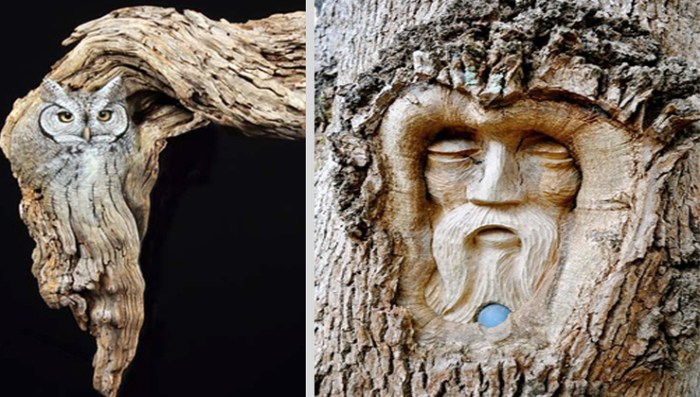
Wood carving isn’t just for the expert craftsmen or DIY enthusiasts; it’s a magical way to add a sprinkle of character and a dash of charm to any home improvement project. By integrating wood carving into your renovations, you can transform mundane furniture and cabinetry into striking, personalized pieces that tell a story. Plus, who wouldn’t want their home to have that artisanal flair?
Let’s dive into how wood carving can elevate your living space, making it not only beautiful but also functional.
Enhancing Custom Furniture and Cabinetry
Custom furniture and cabinetry are the canvas for your wood carving masterpiece. Imagine a simple bookshelf transformed into a stunning focal point with exquisite carved details. Carved elements, such as intricate motifs along the edges or bold reliefs on cabinet doors, can redefine any piece. Here are some popular methods for incorporating carved elements into your furniture:
- Cabinet Door Detailing: Adding a hand-carved design to cabinet doors can elevate your kitchen or bathroom cabinetry. Choices range from floral patterns to geometric shapes that can complement modern or rustic aesthetics.
- Furniture Accents: Consider adding carved legs or finials to tables or chairs. This not only enhances visual appeal but can provide a unique touch that distinguishes your pieces from store-bought options.
- Custom Pulls and Handles: Forget boring handles! Carved wooden pulls can serve as functional art, making even the simplest drawer shine with personality.
Incorporating Carved Elements into Home Appliances
Even your home appliances can benefit from a little wood-carved love, particularly cabinetry and shelving. Carved elements can create a seamless flow throughout your home’s design while maintaining functionality.
- Open Shelving: Carved brackets can support open shelves while adding a decorative touch. Opt for designs that echo the style of your other furniture to create harmony.
- Built-in Cabinets: If you’re installing built-in cabinets, think about integrating carved end panels for a polished look. This not only enhances visual interest but can also serve as a conversation starter when guests visit.
- Accent Walls: Consider creating a feature wall with carved panels that catch the light beautifully, adding depth and character to your space while providing an eye-catching backdrop.
Improving Energy Efficiency through Design Elements
Believe it or not, wood carvings can also aid in enhancing energy efficiency in your home. By designing elements that complement natural light, you can create a warm, inviting atmosphere while cutting down on energy costs.
- Transom Windows: Carved wooden transom frames can enhance window aesthetics while allowing natural light to flood in. This not only brightens your space but reduces the need for artificial lighting during the day.
- Light-Diffusing Carvings: Carving patterns that diffuse light can create stunning visual effects. Think about adding carved screens or partitions that filter sunlight, casting beautiful shadows and reducing glare.
- Passively Heating Spaces: Strategic carvings can help direct airflow, allowing warm air to circulate efficiently in the colder months, thus improving overall energy efficiency.
Integrating the art of wood carving into your home not only beautifies spaces but also enhances functionality and efficiency.
Summary
As we wrap up our woodsy adventure, it’s clear that Wood carving is more than just a pastime; it’s a delightful dance between creativity and craftsmanship. Whether you’re transforming mundane wood into masterpieces or simply adding a personal touch to your home, each carve tells a story. So grab your tools, let your imagination run wild, and remember: every great carving starts with a single slice.
Happy carving!
Expert Answers
What type of wood is best for beginners in wood carving?
Softwoods like basswood or pine are ideal for beginners due to their ease of carving and affordability.
Do I need a lot of expensive tools to get started?
Nope! A few basic tools like a knife and a gouge will do just fine to kick off your wood carving adventure.
How do I prevent splinters while carving?
Always carve along the grain and use sharp tools—this will minimize splintering and keep your work smooth.
Can I use power tools for wood carving?
Absolutely! Power tools can speed up the process and help you achieve intricate designs, but they do require extra caution.
Is wood carving a good hobby for stress relief?


