Roofing repair is like a superhero for your house, swooping in to save the day when water starts dripping from the ceiling like it’s auditioning for a rain dance. Imagine your roof as the cap of your home—the one that keeps the elements at bay and your living room from becoming a swimming pool. In this delightful romp through shingles and sealants, we’ll explore the techniques and tools that transform you from a mere homeowner into a roof-repairing wizard.
From leaky roofs that threaten to ruin your favorite couch to a dazzling array of materials that could make even a roof feel fancy, this guide will equip you with all the knowledge you need to tackle roofing repairs with the grace of a cat on a hot tin roof—minus the drama, of course!
Roofing Repair Techniques
When it comes to roofing repair, knowing your techniques is the difference between a roof that leaks like a sieve and one that stands proud against the elements. Whether you’re battling the aftermath of a storm or just addressing aging shingles, a few handy techniques can save the day. And if you think roofing repair is all about slapping on some duct tape, think again! Get ready to delve into the world of roofing repair techniques that will have you feeling like a roofing superhero.
Various Roofing Repair Techniques
Roofing repair encompasses a variety of techniques that cater to different problems. Each technique is tailored to tackle specific issues, ensuring your roof remains intact and leak-free. Here are some of the most common techniques employed by roofing professionals:
- Shingle Replacement: This technique involves removing damaged or missing shingles and replacing them with new ones. It’s like swapping out a bad apple from a bushel—easy peasy!
- Flashing Repair: Flashing is the material that prevents water seepage around chimneys and vents. Repairing or replacing damaged flashing is crucial, like putting a raincoat on your roof!
- Patching: For small holes or leaks, patching is an effective solution. It involves using roofing cement or a patching compound to seal the problem area—think of it as a Band-Aid for your roof!
- Sealant Application: Applying a sealant can prevent leaks and prolong the life of your roof. It acts like a sunscreen for your shingles, protecting them from UV rays and moisture.
- Roof Coating: A roof coating can rejuvenate aging roofs by adding a protective layer. It’s like a spa day for your roof, giving it a fresh lease on life!
Tools Required for Effective Roofing Repair
Having the right tools is essential for a successful roofing repair job. Armed with your trusty toolkit, you’ll be ready to tackle any roofing mischief that comes your way. Here’s a list of must-have tools:
- Roofing Hammer: This weapon of choice helps drive nails into shingles while ensuring your thumb stays intact!
- Utility Knife: Perfect for cutting shingles and flashing, this knife is as sharp as your wit.
- Caulking Gun: For applying sealants and patching compounds, a caulking gun is like having a trusty sidekick.
- Ladder: Essential for reaching those lofty heights, it’s your ticket to the top (literally).
- Safety Gear: Helmets, gloves, and harnesses—because safety comes first, and nobody wants a roofing horror story!
Step-by-Step Guide on How to Repair a Leaky Roof
Nothing says ‘oops’ quite like a leaky roof, but fear not! Here’s a step-by-step guide to help you patch that pesky leak before it becomes a waterfall in your living room:
- Identify the Leak: Inspect the roof from inside your attic for any signs of water stains or daylight peeking through. You can’t fix a leak if you can’t find it, right?
- Gather Your Tools: Assemble your roofing hammer, utility knife, ladder, and safety gear. It’s tool time!
- Remove Damaged Shingles: Use your utility knife to cut away any damaged shingles around the leak, giving you room to work.
- Apply Roofing Cement: Spread roofing cement around the area where the leak has formed. This will act as your roof’s first line of defense.
- Install New Shingles: Slide new shingles into place over the cement, ensuring they’re properly sealed. Think of this as giving your roof a dress fitting!
- Check for Proper Sealing: Ensure everything is sealed tight. You don’t want the roof equivalent of a bad seal on a jar!
- Clean Up: Remove debris and tools from your workspace to prevent any accidents—because stepping on a loose shingle is not on anyone’s to-do list!
“A roof over your head is great—just make sure it doesn’t have any holes in it!”
Roofing Materials
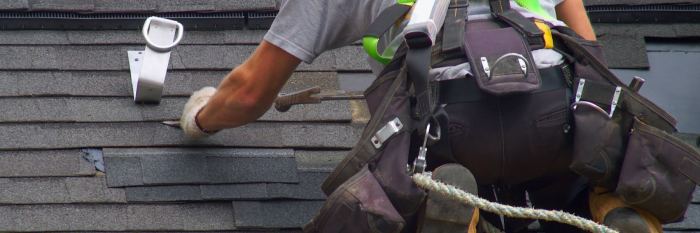
Roofing materials are the unsung heroes of our homes, bravely weathering the storms and sun while keeping us cozy and dry. Choosing the right material is like picking the perfect cheese for your fondue—each has its unique flavor and effects on the final dish, or in this case, your roof! Let’s dive into the various materials available for roofing repairs, their pros and cons, and see how they stack up against each other in a friendly competition of roofs.
Types of Roofing Materials
Understanding the different types of roofing materials is crucial for any homeowner looking to tackle repairs. Each material comes with its own set of benefits and drawbacks, which can significantly affect your home’s durability, aesthetic, and wallet. Here’s a breakdown of the top contenders in the roofing arena:
- Asphalt Shingles: The classic choice! These shingles are popular because they’re cost-effective and easy to install. They come in various colors and styles, making your roof look stylish while protecting it from the elements.
- Metal Roofing: This material stands tall and proud, often outlasting its competitors. Metal roofs are known for their durability and energy efficiency. However, they may come with a higher price tag and can be noisy during rainstorms unless you have proper insulation.
- Tile Roofing: The elegant option! Tile roofs are often made from clay or concrete and offer a beautiful, Mediterranean feel. They can last for decades and are resistant to fire, but their weight might require additional structural support, and installation can be a bit pricier.
Benefits and Drawbacks of Each Roofing Material
Each roofing material has its own set of superpowers and kryptonites. Here’s a closer look at what sets them apart:
| Material | Benefits | Drawbacks |
|---|---|---|
| Asphalt Shingles |
|
|
| Metal Roofing |
|
|
| Tile Roofing |
|
|
In the grand showdown of roofing materials, consider your budget, climate, and personal style to choose the ultimate champion for your home!
Related Home Improvement Topics
Roofing repair isn’t just about fixing the top of your house; it’s a grand symphony that impacts everything below it. When your roof is in tip-top shape, it’s not merely a sturdy structure that keeps the rain off your head; it also plays a crucial role in energy efficiency and even your home’s Feng Shui. Let’s dive into the delightful details of how a well-maintained roof can enhance your living space in more ways than one.
Energy Efficiency Impact of Roofing Repair
A leaky roof can be a sneaky villain in your quest for energy efficiency. When your roof has holes or bad insulation, it can let conditioned air escape faster than your cat can escape a bath. This inefficiency can raise your energy bills and give you the sad realization that your heating and cooling systems are working overtime for nothing.
A good roofing repair can help seal those sneaky gaps, allowing your HVAC system to work like a well-oiled machine instead of a hamster on a wheel. Properly maintained roofs can reflect solar energy, keeping your home cooler in the summer. In fact, a roof with a lighter color has been shown to reflect up to 30% more sunlight than darker options—think of it as giving your home a stylish sun hat! According to the U.S.
Department of Energy, energy-efficient roofing can save you anywhere from 10% to 30% on your cooling costs. That’s a lot of saved dough for a new pair of shoes or a nice vacation!
Influence of Good Roofing on Feng Shui
In the magical world of Feng Shui, your home’s roof is like a protective hug from above. A well-constructed roof that is free from leaks and defects symbolizes good health and protection for the inhabitants. Conversely, a damaged or ugly roof can create negative energy, or “Sha Chi,” leading to financial woes and poorer health. A roof that is well-maintained allows for positive energy to flow freely, promoting harmony and serenity within the home.When considering roofing choices from a Feng Shui perspective, it’s essential to think beyond functionality.
The shape, color, and material of your roof can influence the flow of Chi, or life energy. For instance, rounded roofs are often seen as more auspicious as they symbolize growth. A sloped roof may encourage better energy flow, while traditional dark colors may absorb too much heat and create tension. Choose wisely, dear homeowner, and let your roof be a guardian of good vibes!
Essential Home Appliances for Home Improvement Projects
Embarking on a home improvement journey, especially roofing repairs, can be an adventure filled with surprises, dust bunnies, and the occasional trip to the ER for a stubbed toe. To make this journey smoother, here’s a list of essential home appliances that can significantly assist in your home improvement projects:To kick things off, these appliances are not your average household helpers; they possess superpowers that make them invaluable for your DIY endeavors:
- Power Drill
-The superhero of tools, perfect for making holes without breaking a sweat. A good power drill can help you install roofing materials or secure fixtures with the kind of ease that will make you feel like a pro. - Roofing Nail Gun
-The sidekick you never knew you needed! This magical device can speed up your roofing repair, driving nails in at lightning speed. Just be careful—there’s a fine line between “efficient” and “oops, I shot my neighbor’s fence!” - Ladder
-A necessary evil for any roofing project. Choose a sturdy ladder that reaches high places without making you feel like you’re about to plunge into the abyss. - Safety Gear
-Helmets, goggles, and gloves are like the secret agents of home improvement. They protect you from mishaps and ensure your grand adventure doesn’t end in an unfortunate trip to the ER. - Measuring Tape
-Precision is key! A quality measuring tape will keep you from turning a 10 by 10-foot roof into a 10 by 20 feet fiasco.
Investing in these appliances not only makes your roofing repairs easier but also adds a touch of professionalism to your DIY skills, making you the envy of your less crafty neighbors.
Last Recap
So, whether you’re ready to grab a hammer and channel your inner DIY genius or simply looking to understand the ins and outs of roofing repair, this guide has you covered! Remember, a well-maintained roof not only protects your home but also adds a sprinkle of charm to your abode, ensuring that the only thing that leaks is your neighbor’s gossip!
FAQ Overview
What are the most common roofing repair techniques?
The most common techniques include patching, re-shingling, and sealing leaks, each tailored to tackle specific problems like an expert roof detective.
How often should I inspect my roof for repairs?
It’s a good idea to inspect your roof at least twice a year, preferably in the spring and fall, to catch problems before they turn into costly repairs. Think of it as a spa day for your roof!
Can I repair my roof myself?
Absolutely! With the right tools and safety precautions, you can channel your inner handyman. Just remember: if heights make you dizzy, it might be best to call in the pros.
What materials are best for roofing repairs?
It really depends on your roof type, but popular choices include asphalt shingles, metal, and tiles. Each has its own charm and quirks—much like people at a party!
How does roofing affect energy efficiency?
A good roof can reflect heat away in summer and retain warmth in winter, keeping your energy bills lower. A happy roof equals a happy wallet!